
What is the Difference Between Composite Toe Work Boots and Steel Toe Boots?
Nov 07,2025 | Chad Sureway
What is the Difference Between Composite Toe Work Boots and Steel Toe Boots?
========================================================================
When it comes to workplace safety, the right footwear can mean the difference between a routine day and a life-altering injury. Today’s workers face a dizzying array of options – and one of the most crucial decisions to make is choosing between composite toe work boots and steel toe boots. If you're not sure which is right for you, understanding the unique features, advantages, and drawbacks of each can help you make an informed, confident choice. Let’s break down the key differences and answer the question: what is the difference between composite toe work boots and steel toe boots?
Why the Right Work Boot Matters
Whether you're in construction, manufacturing, logistics, or any industry where hazards abound, protective footwear is not optional—it’s essential. Foot injuries can result from falling objects, heavy equipment, electrical hazards, or even just walking in hazardous environments. But not all protective boots are created equal. Steel toe boots have long been the industry standard, but advancements in material science have led to rising popularity of composite toe work boots.
So, how do you choose? Should you stick with traditional steel toes, or opt for modern composite alternatives? This guide will delve into the differences, so you can select the best protection for your feet—and your work.
Understanding Toe Protection in Work Boots
Toe protection is the foundation of any safety work boot. A durable toe cap—whether steel, composite, or even aluminum—is built into the boot’s structure to shield your toes from compression, impacts, and punctures. In the United States, safety footwear is regulated by organizations such as OSHA (Occupational Safety and Health Administration) and must often meet ASTM (American Society for Testing and Materials) standards. Always check your employer’s requirements and ensure your boots are properly certified.
Steel Toe Work Boots: The Classic Standard
**What are Steel Toe Boots?**
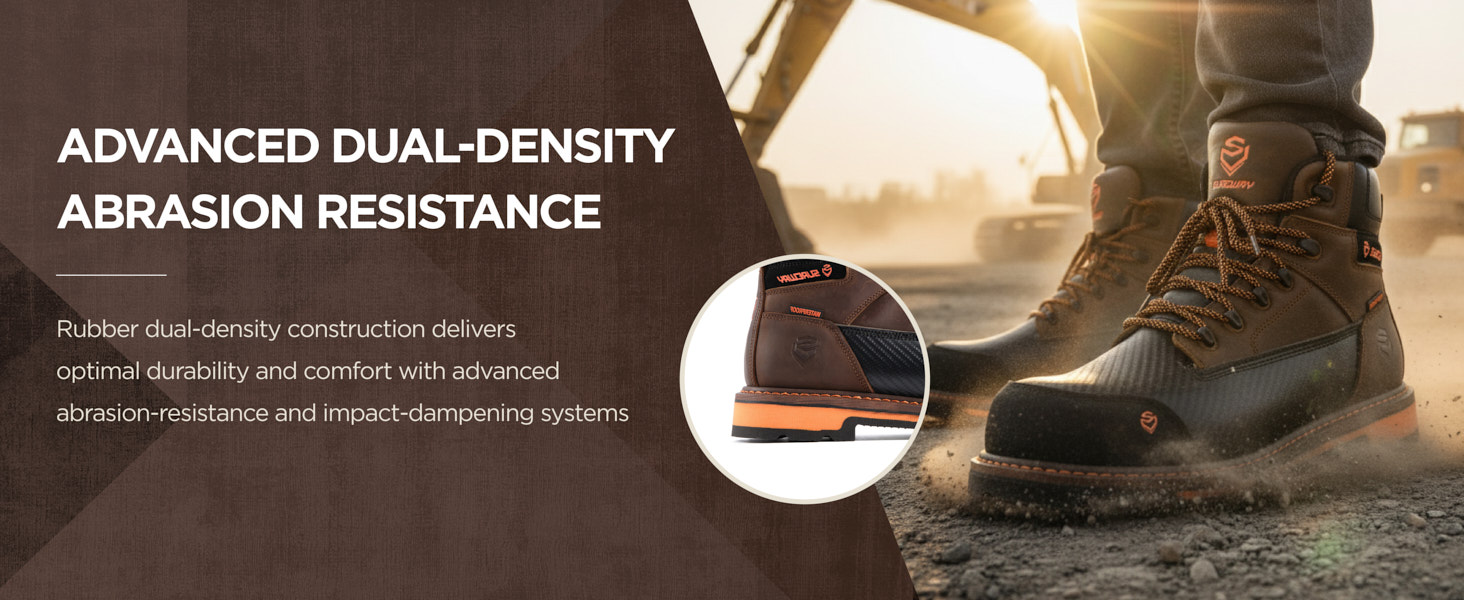
Steel toe boots are built with a solid steel cap that covers and protects the toes. They have been around for decades and are known for their incredible strength, reliability, and time-tested performance.
**Key Features of Steel Toe Boots:**
- Heavy-duty steel safety toe for optimal impact and compression resistance
- High durability, lasting through years of tough environments
- Traditional appearance suitable for many industries
**Common Applications and Industries:**
Steel toe boots are the go-to for construction workers, manufacturing engineers, mechanics, warehouse staff, and anyone working around heavy moving equipment or materials that could fall or roll onto the feet.
**Pros of Steel Toe Boots:**
- Highest level of toe protection
- Excellent puncture and impact resistance
- Typically more affordable than composite toe boots
- Readily available in a wide variety of styles
**Cons of Steel Toe Boots:**
- Heavier than composite alternatives, leading to fatigue on long shifts
- Conduct electricity, making them unsuitable for some electrical environments
- Can become cold or hot in extreme temperatures, causing discomfort
Composite Toe Work Boots: The Modern Alternative
**What are Composite Toe Boots?**
Composite toe boots use advanced materials such as Kevlar, carbon fiber, plastic, or fiberglass to create a robust, non-metallic safety cap over the toe area. They’re engineered to meet or exceed the same ASTM standards as steel toe boots.
**Key Features of Composite Toe Boots:**
- Made from non-metallic, lighter weight materials
- No electrical conductivity, ideal for electricians or environments with electrical hazards
- Thermal insulation, remaining comfortable in both hot and cold environments
**Common Applications and Industries:**
Composite toe boots are increasingly popular in electrical work, airport security (where metal detectors are common), heavy engineering, and any work requiring protection against sudden temperature changes.
**Pros of Composite Toe Boots:**
- Lighter in weight, reducing fatigue and increasing mobility
- Non-conductive, safer for electrical hazards
- Comfortable in varying environments due to superior thermal insulation
- Do not trigger metal detectors
**Cons of Composite Toe Boots:**
- Generally more expensive than steel toe options
- May be slightly bulkier to achieve equivalent protection levels
- Can sometimes offer less resistance to sharp, concentrated impacts
Composite Toe vs. Steel Toe: A Head-to-Head Comparison
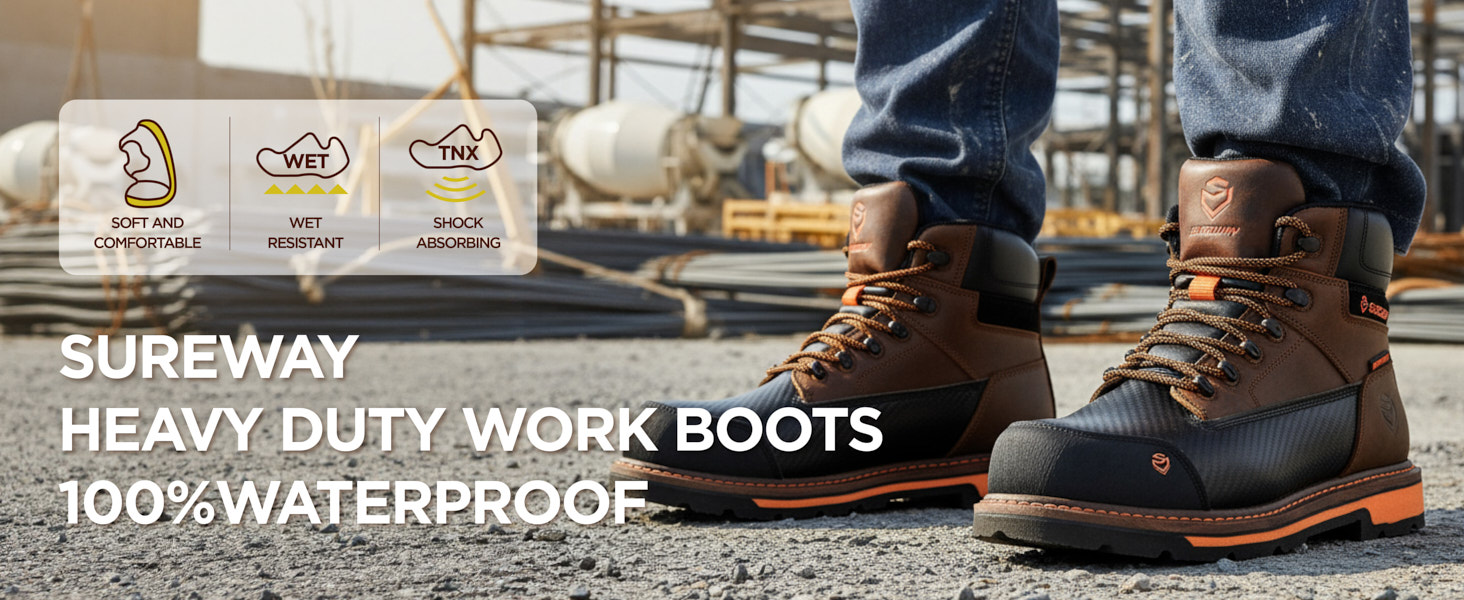
Now, let’s put composite toe and steel toe boots side by side and break down their key characteristics:
**1. Weight and Comfort**
Steel toe boots are typically heavier, which can cause fatigue during prolonged use, especially if you do a lot of walking or climbing. Composite toe boots, being lighter, can improve comfort and reduce muscle strain.
**2. Protection Level**
Both types meet rigorous safety standards (OSHA, ASTM), but steel toe boots generally provide superior protection against extremely high impact or compression. That said, most quality composite toe boots still offer excellent protection for the vast majority of workplace hazards.
**3. Electrical Hazard Resistance**
Because steel conducts electricity, steel toe boots are generally not recommended where the risk of electric shock exists. Composite toe boots, being non-metallic, are inherently resistant to electric currents and often come rated for extra electrical hazard protection.
**4. Temperature Resistance**
Steel can get uncomfortably hot in the summer and icy cold in winter. Composite toes offer better insulation, helping your feet stay comfortable regardless of external conditions.
**5. Durability and Longevity**
Steel toes are exceptionally durable, capable of handling repeated heavy impacts and rough environments. Composite toes, while tough, may show signs of wear and tear sooner under extreme or repetitive impacts, but are often sufficient for standard jobsite risks.
**6. Cost**
Steel toe boots are usually less expensive due to the established manufacturing process and material costs. Composite toe boots are pricier, reflecting their advanced materials and technology.
When Should You Choose Steel Toe or Composite Toe Boots?
Let’s consider the key factors that might influence your decision:
**Work Environment Hazards:**
If your job involves working with extremely heavy materials or machinery, steel toe boots might offer the extra protection you need. If you work around live wires, energized equipment, or sensitive electronic environments, composite toe boots are usually preferable.
**Company or Industry Regulations:**
Always check your employer’s specifications. Some companies have strict guidelines about the type of safety boot you must use, especially in highly regulated industries.
**Personal Comfort and Preferences:**
If your work is physically demanding and involves lots of movement, walking, or standing, a lighter composite boot can help reduce fatigue. If you tend to work in extreme temperatures, composite is generally more comfortable.
Frequently Asked Questions
**Are composite toe boots as safe as steel toe boots?**
Yes, when manufactured to ASTM standards, composite toe boots provide comparable protection to steel toes for most workplace hazards. However, for extremely heavy-duty applications, steel toes may still edge out slightly in terms of impact resistance.
**Can either type be used on all job sites?**
Not always. Some job sites may prohibit steel toe boots due to electrical hazard risks. Conversely, some extremely hazardous environments may require the added toughness of steel toe boots. Always consult jobsite regulations.
**Are composite toe boots more comfortable than steel toe boots?**
Generally, yes. Composite toe boots are lighter and insulate better, making them more comfortable for all-day wear or for work in temperature extremes.
**Can composite toe boots go through metal detectors?**
Yes, most brands are non-metallic and will not set off metal detectors—making them ideal for airport, security, or sensitive manufacturing settings.
**Are steel toe boots heavier than composite?**
Yes, the steel safety cap adds weight, which may be noticeable during long shifts.
Making the Right Choice for Safety and Comfort
Both composite toe and steel toe work boots are designed to keep you safe, but which option is right for you depends on your specific job, working conditions, and personal comfort needs. Steel toe boots deliver traditional toughness, unmatched in environments where maximum impact protection is needed. Composite toe boots, on the other hand, are the smart choice for those working around electrical hazards, seeking a lighter boot, or facing frequent security checks.
Always look for boots that are certified by ASTM or OSHA, and remember to replace any safety boots that show visible damage or excessive wear—your feet deserve nothing less than the best protection available.
Comment


